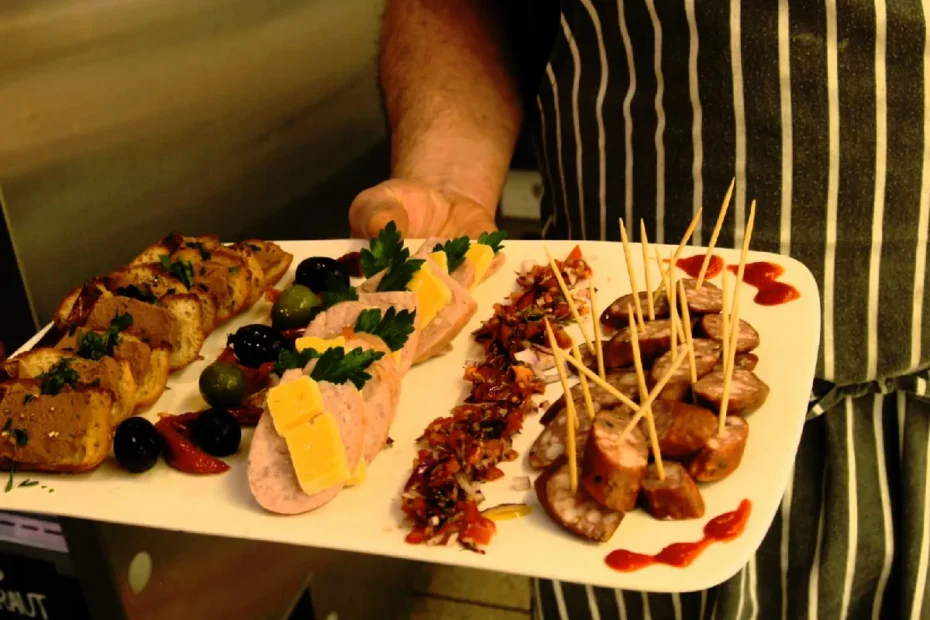
When gourmands talk about the great food capitals of the Southern Hemisphere, Melbourne and Sydney usually dominate the conversation. However, a quiet, delicious revolution has taken place at the absolute bottom of the map. Hobart, the windswept, historic capital of Tasmania, has quietly transformed from a sleepy maritime port into an absolute powerhouse of raw, unadulterated gastronomy. Thanks to its clean air, volcanic soils, and icy sub-Antarctic currents, this island produces some of the most intensely flavored ingredients on Earth. To truly understand how this compact city balances its wild, convict history with avant-garde dining, choosing from the best Hobart food tours is the ultimate shortcut for any curious culinary traveler.
The magic of Hobart’s food culture lies in its radical proximity to the source. This is a city where the person shucking your oyster at a sleek harborside bar is often the exact same person who pulled it from the freezing waters of Great Oyster Bay earlier that morning. There is no middleman, no extensive cold-storage transit, and absolutely no pretense. But because Hobart’s culinary landscape is heavily tied to hyper-local micro-seasons and hidden back-alley operations, a generic self-guided walk will only scratch the surface. A professional local food crawl unlocks the heavy timber doors of heritage sandstone warehouses, introducing you to the eccentric artisans who are redefining modern Australian cuisine.
The Terroir of the Edge: Why Hobart Tastes Different
To appreciate a guided gastronomic journey through Hobart, you must first understand the unique geography that shapes its plates. Sheltered beneath the looming shadow of kunanyi (Mount Wellington) and built along the deep, mirror-like waters of the Derwent River, Hobart operates at a completely different pace than the mainland.
The cold, crisp climate acts as a natural concentrator of sugars and acids in local agriculture. Berries are sweeter, apples are crisper, and the cold-climate Pinot Noir and Chardonnay produced in the nearby Coal River Valley hold a structural elegance that rivals the best vineyards of Burgundy.
Furthermore, Hobart’s food identity is deeply intertwined with its architectural preservation. The city boasts the largest collection of pre-1850 Georgian sandstone structures in Australia. These stunning, convict-hewn buildings—originally built to store whale oil, grain, and wool—have been retrofitted into cutting-edge distilleries, minimalist fermentaries, and farm-to-table bistros. Walking through these historic corridors with an expert guide adds a rich layer of historical storytelling to every single bite.
Detailed Audit: The 4 Best Hobart Food Tour Concepts
Through extensive on-the-ground research, we have categorized the premier culinary walks and excursions across the city based on traveler interests, physical pacing, and depth of regional flavors.
1. The Salamanca Sandstone & Battery Point Heritage Walk
This daytime exploration is the gold standard introduction to Hobart. It focuses on the historic waterfront district, combining architectural narratives with direct artisan counter tastings.
- What you eat: Freshly baked Tasmanian scallop pies (a local heritage delicacy featuring wild scallops in a rich curried gravy), organic wood-fired sourdough, award-winning unpasteurized sheep’s milk cheeses, and wild leatherwood honey.
- Why it’s worth it: It provides a flawless historic overview. The guides on this route excel at contextualizing how early British penal settlement rations gradually evolved into the premium boutique food scene of today.
2. The Bruny Island Wilderness & Gastronomy Expedition
While technically a full-day day-trip departing from the Hobart waterfront via a custom vehicle and ferry, this experience is widely considered the crown jewel of Tasmanian foodie tours.
- What you eat: Premium Pacific oysters shucked straight from the lease water, artisanal wood-fired breads paired with local organic butter, hot-smoked Atlantic salmon, and handmade wild berry ice creams.
- Why it’s worth it: Unrivaled raw ingredient purity. This tour takes you directly to the physical edge of the continent, allowing you to sample world-class seafood and dairy directly at the factory doors amid dramatic coastal wilderness.
3. The Old Wharf Whiskey & Spirit Trail
Tasmania is the undisputed capital of Australian distilling. In 1992, the local industry was single-handedly revived, and today, Hobart’s small-batch single malt whiskeys routinely beat Scottish distilleries in international blind tastings.
- What you eat/drink: Three distinct flights of single malt whiskey aged in local port and sherry casks, contemporary native botanical gins (infused with local pepperberry and lemon myrtle), paired expertly with dark single-origin Tasmanian chocolates and cured meats.
- Why it’s worth it: Essential for spirits connoisseurs. This evening trail grants you exclusive behind-the-scenes access to private maturation cellars that are strictly closed to walk-in traffic.
4. The North Hobart Progressive Dinner
If you want to escape the tourist-heavy waterfront and dine precisely where local chefs eat on their nights off, you head up Elizabeth Street to North Hobart (“NoHo”). This tour highlights the city’s contemporary, boundary-pushing restaurant scene.
- What you eat: Charcoal-grilled local wallaby tataki, flame-seared line-caught ocean trout, fermented vegetable small plates, and organic biodynamic wines from the Tamar Valley.
- Why it’s worth it: Ideal for adventurous eaters looking for a modern, sophisticated night out with an emphasis on sustainability and low-intervention culinary arts.
Food Tour Comparison Matrix
To help you seamlessly align your culinary expectations with your travel timeline, we have mapped out the key logistical metrics of our top-reviewed Hobart experiences:
| Tour Architecture | Average Duration | Pricing Baseline (AUD) | Target Traveler Profile | Dietary & Allergen Flexibility |
| Salamanca & Battery Point Walk | 3.5 Hours | $115 – $145 | First-time visitors & history lovers | High (Easy to accommodate Vegetarians) |
| Bruny Island Wilderness Tour | 8.5 Hours | $220 – $265 | Nature enthusiasts & seafood purists | Moderate (Gluten-free alternatives require notice) |
| Old Wharf Whiskey Trail | 2.5 Hours | $150 – $185 | Spirits enthusiasts & couples | Very High (Focus is on liquids and charcuterie) |
| North Hobart Progressive Dinner | 4 Hours | $190 – $230 | Adventurous epicures & modern foodies | Excellent (Fully adapts to Vegan/Celiac lifestyles) |
Field Notes: Maximizing Your Tasmanian Culinary Journey
- Embrace the Scallop Pie Protocol: When sampling a local scallop pie on the Salamanca walk, do not rush the experience. The local baking method dictates a delicate, flaky puff pastry exterior that holds scalding hot curry sauce. Let it rest for two minutes, break the crust slightly to release the steam, and ensure you get a whole, plump roe-on scallop in your very first bite.
- The Saffron and Pepperberry Rule: Tasmania is famous for its commercial integration of unique local flora. If your guide offers a dish utilizing native mountain pepperberry, prepare your palate for a unique sensation—it starts with a bright, fruity herbal notes before delivering a sharp, camphor-like numbing spice to the back of the tongue.
- Dress for Sudden Maritime Shifts: Hobart is the home port for Australia’s Antarctic icebreakers. The weather can change with terrifying speed if a cold front rushes up from the Southern Ocean. You can easily start a walking food tour in a pleasant 22°C sun and finish it shivering in a 12°C damp wind. A high-quality windbreaker and a wool scarf are essential kit accessories.
Final Thoughts: Is a Hobart Food Tour Worth Your Investment?
When you add up the individual costs of a premium single malt whiskey flight ($45), a dozen freshly shucked oysters ($42), a gourmet lunch dish, and a glass of world-class cool-climate wine at standalone venues, your travel wallet will easily clear $130 AUD before you even factor in regional transit or tips.
By utilizing a structured neighborhood culinary crawl, you are consolidating those premium expenses into a unified, high-value asset. More importantly, you are buying direct access to the artisans themselves. You will leave the experience equipped with the hyper-local knowledge required to navigate the rest of your Tasmanian vacation like a true local industry insider.
Frequently Asked Questions (FAQs)
1. Are these tours suitable for those who do not drink alcohol?
Yes. While Tasmania’s cider, wine, and whiskey scenes are world-famous, all premium food tour operators provide sophisticated, non-alcoholic alternatives. The island has a thriving artisan industry producing sparkling apple juices, cold-pressed berry elixirs, and native botanical sodas, ensuring your palate is fully engaged without consuming alcohol.
2. What happens if the weather turns bad during a waterfront walking tour?
Tours operate completely normally through rain, wind, or shine. Because the historic Salamanca district is densely packed with interconnected sandstone warehouses, underground cellars, and long, covered glass atriums, a significant percentage of the physical walking path is fully protected from the outdoor elements.
3. Can I purchase full bottles of spirits or jars of honey directly during the tour?
Absolutely. Most stops along the Salamanca and Bruny Island routes are fully functioning independent production facilities. Operators are happy to securely wrap and package your purchases. However, if you are traveling internationally or returning to the Australian mainland, remember to check regional domestic biosecurity rules regarding the transport of raw honey and fresh fruits.
4. How far in advance do I need to book the Bruny Island expedition?
Because the Bruny Island tour requires matching vehicle logistics with strict maritime ferry timetables, passenger seats are strictly capped to maintain safety and comfort. During the peak summer travel window (December through February), these premium wilderness food slots regularly sell out six weeks in advance. Early digital booking is highly recommended.