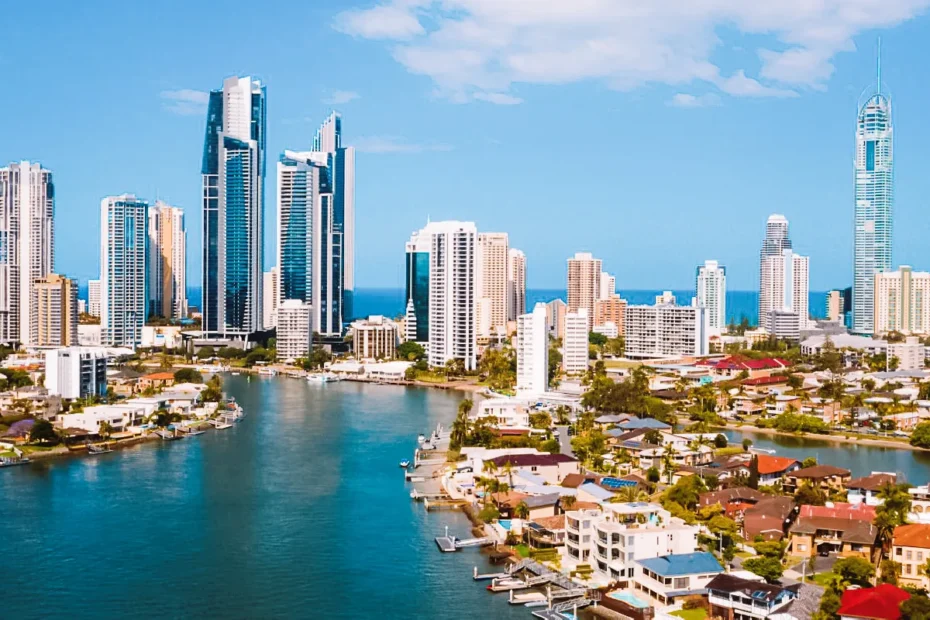
Australia is one of those destinations that feels familiar before you arrive. English is the language, the cities look recognisable in photographs, and the culture has enough overlap with Britain, North America, and other Western countries that first-time visitors often assume the learning curve will be minimal. That assumption catches people out more than almost anything else.
Australia is genuinely different in ways that are not obvious until you are there. The distances are not what they appear on a map. The wildlife operates by rules that the rest of the world largely does not apply. The seasons are reversed, the sun comes from the north, and the gap between what things cost and what visitors expect them to cost is a reliable source of shock at the first restaurant bill. None of this makes Australia difficult to travel in. It is one of the safest, most visitor-friendly countries in the world. But knowing what to expect before visiting Australia makes the difference between a trip that goes smoothly and one that spends its first week correcting avoidable mistakes.
These ten things are what experienced Australia travellers wish someone had told them before the first visit.
1. Australia Is Much Larger Than It Looks
The single most common planning error first-time visitors make is underestimating the size of the country. Australia is the sixth-largest country in the world by land area. It is roughly the same size as the contiguous United States or the entire continent of Europe. Driving from Sydney to Perth takes around four days of solid driving. Flying between the east and west coasts takes five hours.
This matters for itinerary planning in a direct way. A two-week trip to Australia cannot cover Sydney, Melbourne, the Great Barrier Reef, Uluru, and Perth at any level of depth. Visitors who try end up spending a significant portion of their trip in airports and arrive at each destination too tired and too rushed to actually experience it. The better approach is to pick a region and go deep rather than trying to collect as many cities as possible in a short window.
For a first trip of two weeks, a Sydney and Melbourne itinerary with a side trip to either Queensland or the Red Centre is achievable and satisfying. Anything more ambitious than that starts to feel like a series of airport lounges with occasional scenery.
2. You Need a Visa Before You Arrive
Australia does not offer visa-on-arrival for most international visitors. You need to arrange entry permission before you travel, and the type of visa or authorisation you need depends on your nationality and the purpose of your visit.
Citizens of eligible countries including the United States, the United Kingdom, Canada, and most European nations can apply for an Electronic Travel Authority online before departure. The process takes a few minutes and the authorisation is linked directly to your passport. Citizens of other countries need to apply for a Visitor Visa through the Australian Department of Home Affairs website, which involves a more detailed application and a processing period that can range from a few days to several weeks depending on the time of year and the volume of applications.
The important thing is not to assume that your nationality guarantees easy entry or that you can sort it out at the airport. Check the requirements for your specific passport well in advance of your travel dates and apply early enough that processing time is not a problem.
3. The Sun Is More Intense Than You Expect
Australia sits at latitudes where the UV radiation is significantly higher than in Europe or North America, and the sun here does damage faster than visitors from those regions are used to. Sunburn is possible within fifteen to twenty minutes of unprotected exposure during summer, and overcast days provide less protection than they appear to because UV penetrates cloud cover.
The practical implication is that sunscreen needs to be applied properly and reapplied regularly, not kept in the bag as a precaution. SPF 50 is the standard in Australia and is widely available. A broad-brimmed hat and UV-protective clothing matter more here than in most places visitors come from, and the combination of heat and UV means that midday outdoor activities in summer should be planned carefully or avoided in favour of early morning and late afternoon.
The Cancer Council of Australia recommends the SunSmart UV Alert as a daily reference. The UV index in Australian summer regularly reaches 11 or above, which is classified as extreme.
4. Wildlife Awareness Is Genuine, Not Theatrical
The reputation Australia has for dangerous wildlife is not entirely fabricated for tourism purposes, but it is also not as constantly threatening as the cultural mythology suggests. You are unlikely to encounter a funnel web spider in a Sydney hotel room or a saltwater crocodile on a Queensland beach. What you will encounter depends entirely on where you go and whether you pay attention to local advice.
Saltwater crocodiles are genuinely present and genuinely dangerous in the rivers, estuaries, and coastal waters of northern Queensland, the Northern Territory, and northern Western Australia. The warning signs in these areas are not decorative. Swimming in undesignated areas in the north during the wet season is something that locals do not do, and the reason is straightforward.
Snakes are present across most of Australia and several species are among the most venomous in the world. They are also shy and almost always move away from human contact if given the opportunity. Walking on clearly marked tracks, wearing closed shoes in bush environments, and watching where you put your hands and feet in rocky or long-grass areas reduces risk to near zero for most visitors.
Box jellyfish and Irukandji jellyfish make unprotected ocean swimming dangerous in northern Queensland between October and May. Stinger suits and patrolled beaches with stinger nets are the practical response. The Surf Life Saving Australia website has current information on conditions at patrolled beaches across the country.
5. Tap Water Is Safe to Drink Everywhere
This surprises visitors from regions where tap water quality is variable. Australia has high-quality treated drinking water available from the tap in every city and town across the country, and buying bottled water is a personal preference rather than a health necessity in any urban environment. Carrying a reusable water bottle and refilling it throughout the day is both practical and considerably cheaper than buying plastic bottles at the prices charged in tourist areas.
In remote and outback areas the situation is different. Water sources away from towns may not be treated or reliable, and carrying adequate water for the distances involved in outback travel is a genuine safety consideration rather than a convenience one.
6. Tipping Is Not Expected But Is Appreciated
Australia has a minimum wage that is among the highest in the world, and the hospitality industry operates on a pay structure that does not require tips to make up the difference between a living wage and what the employer pays. This means that tipping is genuinely optional rather than socially compulsory in the way it is in the United States.
Rounding up a bill or leaving a small tip at a restaurant where the service was genuinely good is appreciated and common. Leaving nothing is not considered rude and does not reflect poorly on you as a visitor. The 15 to 20 percent tipping culture of North America does not apply here, and visitors from those countries often over-tip out of habit, which is generous but not necessary.
The exception is group touring and guided experiences, where tipping a guide who has provided an exceptional experience is increasingly common and is a genuine gesture rather than an obligatory transaction.
7. Driving Is on the Left
Australia drives on the left side of the road, which requires adjustment for visitors from countries that drive on the right. Most rental car companies flag this for international visitors, and the adjustment is manageable within a day or two of driving. The moments of highest risk are at intersections and roundabouts immediately after picking up the hire car, and at quiet moments when habit overrides conscious thought.
The practical advice is to take the first day slowly, avoid unfamiliar road environments until the adjustment is solid, and pay particular attention at roundabouts, which operate in the opposite direction from what right-side drivers are used to. Roundabouts in Australia give way to traffic already in the roundabout, which is the correct rule but requires deliberate application when the instinct is pulling in the wrong direction.
Rural and outback roads introduce additional considerations. Kangaroos and other large animals are active at dawn and dusk and are a genuine collision risk on roads outside of urban areas. Driving at night in the outback is actively discouraged, and the road trains, which are multi-trailer trucks up to 53 metres long that operate on major outback highways, require significant clearance to overtake safely.
8. Healthcare Is Excellent but Travel Insurance Is Still Essential
Australia has a high-quality public healthcare system called Medicare, which covers Australian citizens and permanent residents. International visitors are not covered by Medicare, with the exception of citizens from countries that have reciprocal healthcare agreements with Australia, including the United Kingdom, New Zealand, and several European nations.
For visitors not covered by a reciprocal agreement, medical treatment in Australia is provided at full private rates, which are substantial. A visit to a hospital emergency department, a diving accident requiring hyperbaric treatment, or a medical evacuation from a remote location can generate costs that make travel insurance the most important purchase of the trip.
Travel insurance that specifically covers the activities you are planning is worth reading the policy on rather than buying the cheapest available. Scuba diving, adventure activities, and travel to remote areas are often excluded from standard policies and require either an upgraded policy or a specific add-on. Check this before you leave, not after the incident.
9. Australia Is Expensive
The cost of travel in Australia is higher than in most Southeast Asian destinations and higher than many European ones. Accommodation, restaurant meals, and domestic flights all cost more than visitors from most international markets expect, and the gap between expectation and reality at the first Sydney restaurant bill is a consistent feature of first-time visitor experiences.
A mid-range restaurant meal in a city like Sydney or Melbourne typically costs between $30 and $60 Australian dollars per person before drinks. A coffee is $5 to $6 Australian dollars at most cafes. A domestic flight between Sydney and Melbourne, booked in advance with a budget carrier, starts from around $100 Australian dollars but can be considerably more at peak times.
Budgeting honestly for Australia means building in a higher daily spend than the figures that apply to Southeast Asia or Central America. The country delivers value in other ways, particularly in terms of safety, infrastructure, and the quality of the natural environment, but the cost of being here is real and worth accounting for before you arrive.
10 . The Distances Between Cities Require Flying
Following on from the scale issue addressed earlier, the practical implication for most itineraries is that travelling between major cities requires flying. The train network connects a few key east coast routes, including Sydney to Melbourne and Sydney to Brisbane, but the journey times are long enough that flying is usually the more practical choice for visitors with limited time.
The Sydney to Melbourne flight takes about an hour and fifteen minutes. The drive takes eleven hours. For most first-time visitors the calculation is straightforward. The domestic airline market in Australia is served primarily by Qantas, Virgin Australia, and the budget carriers Jetstar and Rex, and competition on the major routes keeps prices manageable if you book ahead.
The exception to the fly-everywhere approach is the Great Ocean Road, which requires a hire car and is a driving experience rather than a transit route. Similarly, the east coast between Sydney and Cairns can be driven over several weeks as a road trip, which is one of the classic Australian travel experiences and worth doing if your itinerary allows for it.
Before You Go
The things that make Australia genuinely different from other major travel destinations are mostly manageable once you know about them. The scale requires planning. The visa requires organisation. The sun requires consistent respect. The wildlife requires local knowledge applied in specific regions. The cost requires honest budgeting.
None of these are reasons not to go. They are the context that makes the trip go well rather than spending the first week recalibrating expectations. Australia rewards visitors who arrive prepared, and it is exceptional enough that the preparation is worth every bit of the effort it takes.