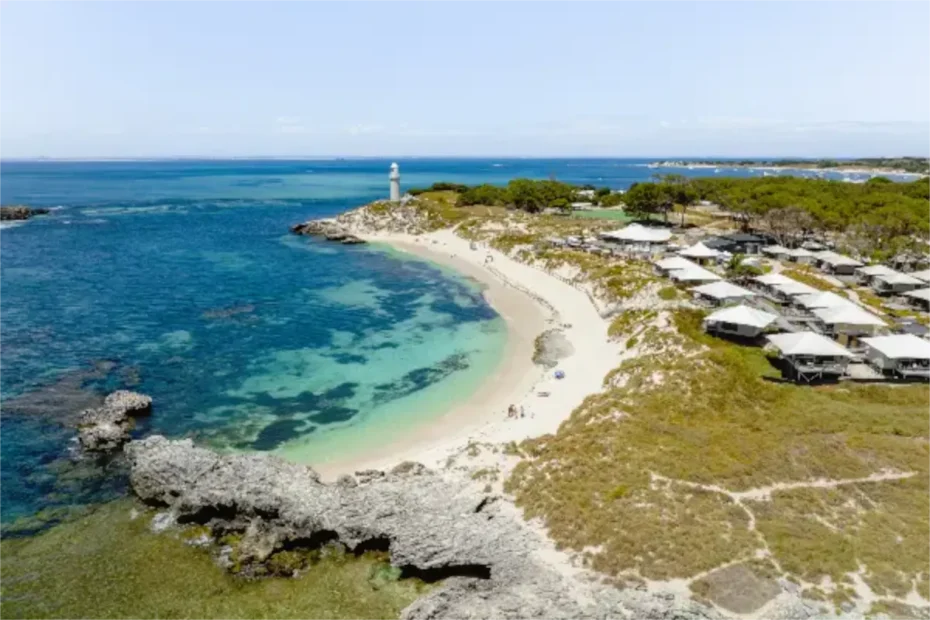
Western Australia’s coastline is a spectacular masterclass in isolation. From the rugged cliffs of the Kimberley down to the sweeping white sands of Esperance, the state offers endless stretches of untouched wilderness. Yet, just 19 kilometers off the bustling coast of Perth lies a limestone paradise that feels a million miles away from the urban grind. Known as Wadjemup to the Traditional Owners of the land, the Whadjuk Noongar people, Rottnest Island is a car-free sanctuary surrounded by the blindingly turquoise waters of the Indian Ocean. While millions of travelers are drawn here by the viral allure of the island’s most famous resident—the impossibly photogenic quokka—the true value of visiting Rottnest Island lies in its raw, Mediterranean-style coastline, world-class marine sanctuaries, and historic cycling trails.
For the modern nomadic traveler, navigating this slice of paradise requires a bit of tactical planning. Because private motor vehicles are strictly prohibited on the island, the environment has remained pristine, but it also means you are entirely dependent on your own physical power or local transit networks to get around. It is an expensive destination if you wander in unprepared, with “island premiums” applied to everything from a basic sandwich to bike hire. However, if you understand the local weather patterns, ferry logistics, and hidden trail networks, a journey here will easily rank as one of the highlights of your Australian travels. This comprehensive guide skips the generic tourist fluff to deliver a raw, field-tested strategy for unlocking the absolute best of Rottnest Island.
When planning your cycling route around the island, always check the afternoon wind forecast. Western Australia is famous for a heavy sea breeze known as the “Fremantle Doctor” that roars in from the southwest every afternoon like clockwork. If you cycle clockwise around the island in the afternoon, you will find yourself pedaling directly into a brutal, exhausting 30-knot headwind on your way back to the settlement. Always tackle the exposed, hilly southern and western paths in the calm morning hours, leaving the protected northern beaches for your lazy afternoon cruise back.
Ferry Logistics: Choosing Your Departure Point
Getting across the channel to the island is your first major operational decision. Three distinct ferry companies service the island, departing from three primary locations around the Perth metropolitan area:
- Fremantle (B-Shed or Northport): This is the shortest and most popular crossing. The journey takes a rapid 25 to 30 minutes across the channel. Fremantle departures are generally the most budget-friendly option and offer the highest frequency of daily sailings.
- Perth CBD (Barrack Street Jetty): Ideal if you are staying in city hotels without a rental car. The ferry cruises down the scenic Swan River before heading out into the open ocean. While beautiful, this route takes roughly 90 minutes each way and is considerably more expensive.
- Hillarys Boat Harbour: Located in Perth’s northern suburbs, this is the premier choice if you are based north of the river. The crossing takes roughly 45 minutes and drops you directly into Thomson Bay.
The Sea Sickness Warning: The Gage Roads strait separating the mainland from the island can become incredibly choppy, particularly during winter or during heavy afternoon swell shifts. If you are prone to motion sickness, opt for the larger, stabilized catamaran vessels departing Fremantle, and sit toward the back on the lower deck.
Transportation: Bikes vs. The Island Explorer
Once you step off the ferry at Thomson Bay, your automotive safety net disappears. You have two primary choices for navigating the 11-kilometer length of the island:
1. Pedal Power (Independent Bicycle Hire)
This is the quintessential Rottnest experience. Renting a multi-gear bicycle allows you to escape the crowds completely and find empty, secluded bays that tour buses cannot access.
- The Reality Check: Rottnest Island is not flat. It is a continuous series of rolling limestone hills, exposed ridges, and wind-swept basins. If you are not accustomed to cycling 20 to 30 kilometers in a single day under the fierce Australian sun, your legs will feel it by noon.
- The Upgrade: If your travel budget allows, investing in an upgraded electric bicycle (e-bike) from the main depot is worth every single dollar, flattening out the island’s brutal ridge climbs instantly.
2. The Island Explorer Bus
If cycling isn’t accessible to you, the hop-on, hop-on Island Explorer bus is a highly structured, air-conditioned alternative. It completes a continuous loop around the entire island circumference, stopping at all major beaches and trailheads every 15 to 30 minutes.
The Ultimate Single-Day Coastal Trail Itinerary
If you are visiting for a day trip, this optimized route balances wildlife encounters, historic landmarks, and the island’s most spectacular snorkeling marine sanctuaries:
08:30 AM – Arrival at Thomson Bay
Collect your pre-booked rental bicycle directly from the ferry jetty to bypass the long queues at the island’s central pedestrian depot. Pedal north toward your first coastal milestone.
09:00 AM – Swimming at The Basin
Located just 10 minutes from the settlement, The Basin is a stunning natural amphitheater carved into the limestone reef. The shallow, crystal-clear water is completely protected from ocean swells, making it the premier spot for an early morning swim before the day-tripper ferries arrive in full force.
10:30 AM – Snorkeling at Little Salmon Bay
Pedal south across the island’s narrow waist to the southern coast. Little Salmon Bay features a designated underwater snorkel trail with plaques attached to the seabed highlighting the local marine life. Due to the warm Leeuwin Current flowing down from the north, you will swim alongside tropical fish species usually found much further up the coast.
01:00 PM – The Wild West End (Cape Vlamingh)
Tackle the long, exposed western road out to Cape Vlamingh. This is the most rugged, dramatic landscape on the island. Walk along the boardwalks to look down at the powerful Southern Ocean swells smashing into the limestone shelves. Keep an eye out for the resident colony of New Zealand Fur Seals playing in the churning waters below the viewing platforms.
03:30 PM – Geordie Bay & Afternoon Quokka Encounters
Head back toward the northern bays, stopping at Geordie Bay for a cold drink. As the heat of the day begins to drop, the island’s famous quokkas will begin emerging from the shaded scrub into the grassy clearings around the settlement.
Rottnest Island Logistics & Cost Matrix
Planning your travel capital efficiently is critical on Rottnest, as there are zero low-cost alternative retail options once you depart the mainland. Below is a scannable structural reference guide to help budget your journey:
| Expense Component | Estimated Cost (AUD) | Critical On-Ground Survival Strategy |
| Return Ferry Ticket | $75.00 – $110.00 | Look for “Mid-Week Specials” or “Tightarse Tuesday” deals offered by local operators online to slash transit costs up to 30%. |
| Standard Bike Hire | $30.00 – $45.00 / day | Book your bike as a bundle package directly with your ferry ticket; it is significantly cheaper than renting separately on the island island. |
| Island Admission Fee | Built into ferry ticket | This mandatory government conservation levy goes directly to the environmental maintenance of the reserve’s unique flora. |
| Casual Bakery Lunch | $15.00 – $25.00 | Pack a lightweight insulated cooler bag filled with fresh water, fruit, and snacks purchased at a mainland supermarket to avoid long queues. |
Wildlife Protocol: The Quokka Selfie Rules
The quokka (Setonix brachyurus) is a small, nocturnal macropod that has earned a global reputation as the “world’s happiest animal” due to its unique facial bone structure that mimics a permanent smile. While they are incredibly curious and will routinely approach humans, maintaining strict ecological boundaries is paramount:
- The Anti-Feeding Mandate: Never under any circumstances offer food or fresh water to a quokka. Human food (even healthy vegetables like lettuce or fruit) can cause severe nutritional deficiencies, tooth decay, and a fatal disease called lumpy jaw. The island’s ecosystem provides all the specific moisture and vegetation they need to thrive.
- The No-Touch Protocol: Touching, holding, or cuddling a quokka is strictly illegal under the Wildlife Conservation Act. Violations caught by park rangers or local police carry a mandatory on-the-spot fine ranging from $300 to $2,000 AUD.
- The Perfect Selfie Technique: To capture the iconic photo safely, simply lay flat on your stomach on the ground or use a long selfie stick. Allow the animal to approach your camera lens naturally on its own terms. Keep your hands completely away from its face, and never use a high-powered camera flash at night.
Safety Warning: Extreme UV Exposure & Hydration
Rottnest Island features very little tall tree canopy or natural shade structures along its 22-kilometer road network. Because the ocean air keeps the ambient temperature feeling cool, travelers routinely fail to notice how severely they are burning under the Western Australian sun. Apply SPF 50+ sunscreen every two hours, wear a wide-brimmed hat that features a secure chin strap for the wind, and carry a minimum of two liters of water per person. There are zero freshwater refilling stations along the remote western road loops.